
Evictions Law

  • What is a Shared Facility (or 540-B) Eviction, and How Does it Affect My Rights?

    Evictions in New Hampshire are governed by three major statutes: RSA 540, N.H. RSA 540-A or N.H. RSA 540-B. RSA 540 governs evictions where the tenant rents from a landlord their own individual space. While RSA 540 evictions are much more common, what are the situations where a 540-B eviction may be appropriate for you? RSA 540-B governs rental of “shared facility”. A shared facility is a rental facility where tenants have separate sleeping areas, but share common facilities with the property owner, such as kitchens, washing areas, and/or dining rooms. The most common examples of shared facilities are single family homes. It is not terribly common for landlords to rent a room out of their single-family house, but it does occur. Such a rental…

  • |

    Common Mistakes in Evictions

    If you are a landlord and have a tenant you are being forced to evict, there are a lot of ways to make mistakes that can lead to the tenant staying longer than you want. Having an attorney that understands the law and can prepare you can avoid many of these mistakes. In failure to pay rent cases, one of the most common mistakes is including more than just rent on the Demand for Rent. Sometimes, landlords add late fees, interest or penalties to the rental amount. Doing this can be fatal to your eviction case, as only rent should be included on a demand for rent. Moreover, accounting the correct rent is just as important. If your demand for rent is more than what…

  • Evictions During The COVID-19 State of Emergency

    The COVID-19 pandemic has created very difficult situations for many people. In the context of landlord/tenant relationships, it has created significant concerns among both landlords and tenants about what their rights are.Before the pandemic and emergency orders, evictions were conducted through the process outlined in RSA 540. While this process is still the law of New Hampshire, it has been modified significantly by Governor Sununu’s emergency orders. The first modification was Emergency Order #4 (found here: https://www.governor.nh.gov/sites/g/files/ehbemt336/files/documents/emergency-order-4.pdf). This provides that any attempt to begin or prosecute eviction actions would likely be deemed a violation of RSA 540-A, New Hampshire’s prohibited practices statute for landlord/tenant relationships. These violations could result in a fine of $1,000, attorney’s fees, and double or treble damages. This was designed to…

  • |

    Landlord and Tenant Law: The Eviction Process

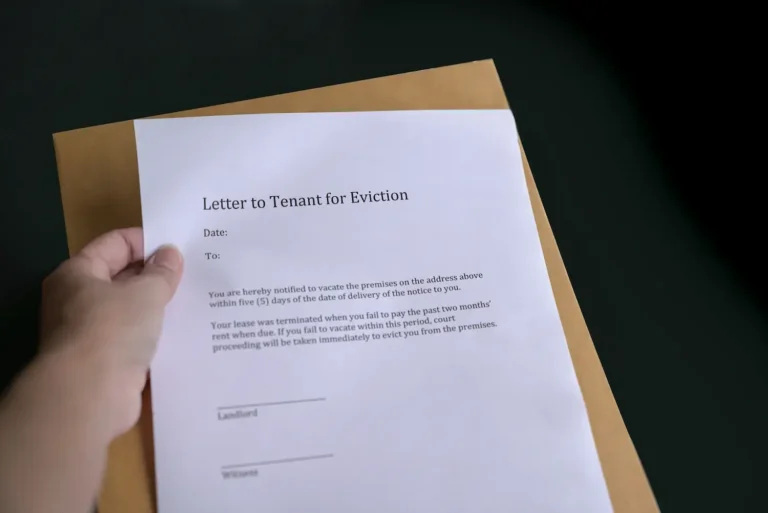
    Often clients, especially tenants, are confused by the eviction process. The first step in any eviction is to serve a “Notice to Quit” or Eviction Notice. The Eviction Notice spells out the basis for the eviction and specifies the time period the tenant has to leave. If the eviction is based on failure to pay rent, a Demand for Rent should accompany the Notice to Quit. Both the Notice to Quit and Demand for Rent forms are available online at the NH State website. If you are a landlord and are not sure what you should put on the form, and what you should be evicting your tenant for, you should contact an attorney to help you. Our firm handles Landlord and Tenant matters and…