Who Keeps the Engagement Ring When You Split?~4 min read
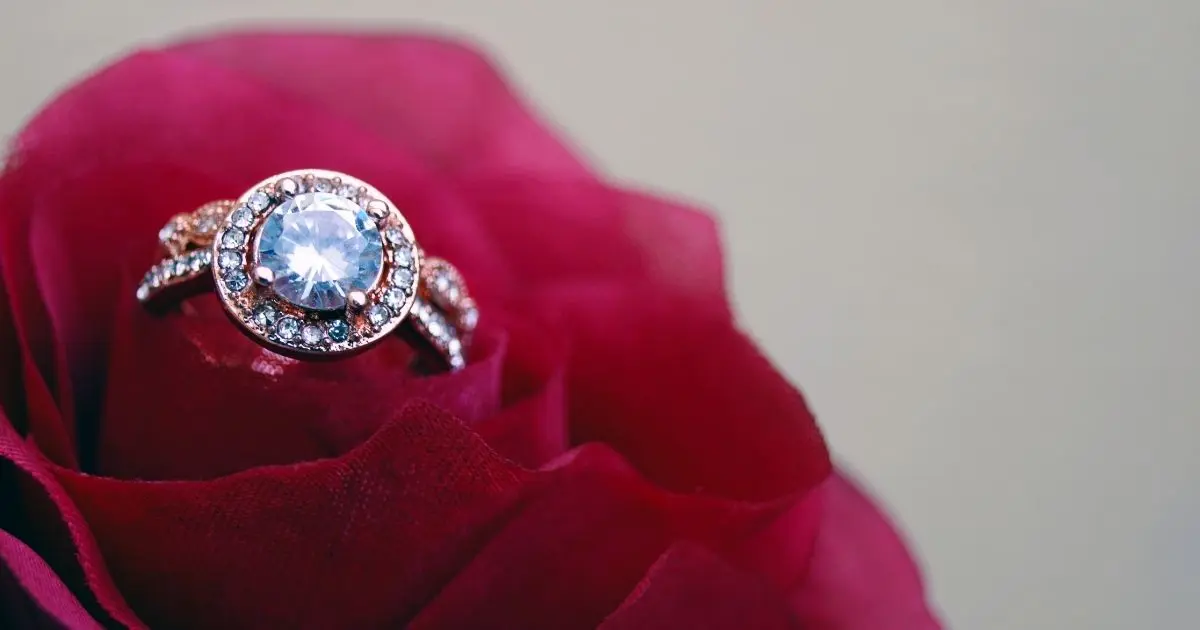
Sadly, despite the best of intentions, not all engagements lead to marriage. It begs the question: If the engagement is broken off and the couple doesn’t get married, who gets to keep the bling?
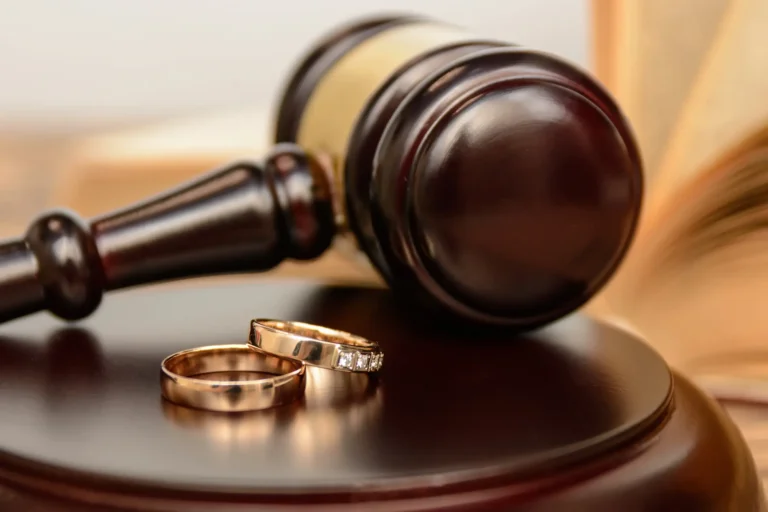
An engagement ring, or wedding ring, is often an item whose sentimental value far exceeds its actual monetary value. Sentimental value, however, can get thrown out the window during a divorce when both parties are trying to split their marital property.
Still, the real value of a wedding or engagement ring can be significant enough for concern. A jewelry piece of any kind can be a high-value asset, but not many people look for a bargain when they’re purchasing a representation of their love and commitment.
So how do rings factor in a divorce? Courts can view engagement rings and wedding rings as separate property. At times, rings are considered “gift[s] in contemplation of marriage” or “conditional gifts”. The argument goes that the ring was given to someone before marriage and as a condition of marriage, so it counts as their property if the marriage occurred.
However, in New Hampshire, it is much more likely that such a gift will be weighed as a marital asset in favor of the recipient. This means that while the ring-giver will not get the ring back, they will be entitled to an “offset” on their side of the property balance sheet. New Hampshire is a marital property state. The standard is that the parties are entitled to an equitable distribution of their property, which is presumed to be 50/50 (but not always).
Often times, it is better for the married couples to forego arguments about personal possessions the longer the marriage. Indeed, trying to recover an engagement or wedding ring can look really spiteful and hurt your overall standing with the judge.
When the Ring Is a Family Heirloom
Sometimes people propose to their loved ones with a ring that once belonged to another relative in their family like a mother, grandmother, or even earlier than that. When an engagement or wedding ring is such an heirloom, the courts look at its ownership a little differently during divorce.
It’s not a guarantee, as few matters are in divorce, but a ring-giver who used a family heirloom to propose or wed someone else has the right to request its return. Again, this is a question of what is fair and equitable, and depends on a variety of factors.
When an Engagement Breaks up
If an engagement falls through, the parties will need to consider a petition to partition through the Superior Court. The Family Court has little jurisdiction for property disputes of unmarried parties. It is possible that the Superior Court may consider the ring to be conditional gift where the condition was marriage. If the marriage did not occur, the ring can be returned. However, the Court may need to consider a number of factors that go beyond “who bought the ring”.
How to Avoid Engagement Ring Disputes During Divorce
A lot of time can be wasted during divorce proceedings if parties are fighting over who gets which rings back and whether or not they’re family heirlooms. Arguments like these over specific items can bog down the process and drag it out for much longer than is necessary.
great way to help avoid this arguments with one another over ownership of a ring during divorce is to prevent it from happening. This can be done by settling ownership with a prenuptial or postnuptial agreement.
By outlining which property belongs to either party as separate property before marriage, couples who later divorce can avoid wasting time and money fighting over individual items or assets – rings of all kinds included.
Contact Law Offices of Parnell, Michels & McKay
Our law practice covers every area of family law and includes all prenuptial and post-nuptial agreements, divorce and post-divorce issues, unwed parenting and property issues, domestic violence, adoption, guardianships and other family issues. Our family lawyers ensure that our clients understand the law as it applies to the issues they are facing. We are sensitive to the relationship changing between couples and work to bring the issues to a conclusion promptly and fairly with sensitivity and compassion. Contact our office today and we will help you with move forward with your legal separation, divorce and post-divorce issues.

Our firm blends advocacy oriented practice with effective practical solutions for all our clients in Londonderry, N. Woodstock, and throughout New Hampshire. The attorneys at Parnell, Michels & McKay provide effective representation and counseling to assist our clients facing legal questions. We simplify the process so our clients can understand and are able to participate as partners in the resolution.
Our practice includes personal injury law such as motor vehicle accidents, falls, dog bites, workers compensation, social security disability, and other injuries.
We also practice family law, including divorce, post-divorce, unwed custody and property division, and collaborative divorce, and have extensive experience in bankruptcy, probate, boundary disputes, estate planning, corporate formation and other real estate litigation.